AC Repair in Montz, LA
.webp)
Montz, LA, residents experiencing frequent AC problems can count on Cypress Cooling's certified technicians for thorough diagnostics, transparent estimates, and reliable repairs. We address common issues such as thermostat faults, refrigerant leaks, compressor and blower failures, and electrical or drainage problems. Our diagnostic process is comprehensive, and we'll provide clear repair timelines and explain after hours service options if needed. We'll also discuss technician qualifications, safety protocols, warranty terms, and practical prevention tips to minimize future breakdowns. We emphasize timely maintenance and clear communication to protect your comfort and energy efficiency.
-min.webp)
Air Conditioning Repair in Montz, LA
Hot, humid summers in Montz, LA put heavy daily demand on home air conditioning systems. When your AC fails or underperforms, it affects comfort, indoor air quality, and energy bills immediately. This page explains the most common air conditioning problems in Montz, LA, how certified technicians diagnose them, typical repair options and timelines, after-hours emergency support, warranty and pricing transparency, and practical steps to reduce the chance of repeat breakdowns.
Common air conditioning problems in Montz, LA
Montz homes face a set of recurring AC issues driven by high humidity, frequent seasonal use, and summer power events:
- Thermostat problems — incorrect calibration, dead batteries, or wiring and communication faults that cause short cycling or no cooling.
- Refrigerant leaks — low refrigerant reduces cooling capacity and can cause ice on coils; leaks are more common in older equipment or systems exposed to corrosion.
- Compressor failure — the compressor is the working heart of the outdoor unit. Overuse, electrical issues, or single-phase power problems after storms can damage or seize it.
- Blower motor and fan issues — weak airflow from clogged filters, failing blower motors, or obstructed outdoor fans lead to poor circulation and uneven cooling.
- Electrical and control failures — worn relays, capacitors, or control boards cause intermittent operation or complete shutdowns.
- Drainage and coil problems — clogged condensate drains and dirty evaporator coils encourage mold, water damage, and reduced efficiency.
- Ductwork and airflow problems — leaks, disconnected ducts, or poor insulation cause rooms to cool unevenly and increase run-times.
How diagnostics work — what to expect
Experienced technicians follow a methodical diagnostic process to identify root causes and avoid unnecessary repairs:
- Initial interview and symptom review — gather how the system behaved, timing of failure, and recent events (storms, power outages, unusual noises). Local climate details such as recent high humidity or heavy pollen seasons are noted because they influence symptoms.
- System safety checks — verify power, breakers, fuses, and disconnects to rule out basic electrical causes. Safety prevents further damage during inspection.
- Thermostat and controls check — confirm thermostat settings, calibration, wiring, and communication with the indoor unit. This often resolves simple issues quickly.
- Airflow inspection — examine filters, supply and return vents, blower motor operation, and duct connections.
- Refrigerant and pressure testing — measure system pressures, temperatures, and search for leaks using dye, electronic detectors, or nitrogen pressure tests when required.
- Electrical component testing — test capacitors, contactors, relays, and motors with meters to identify failing parts.
- Operational run test — run the system to observe cycling, noise, and temperature drop across the evaporator coil. Technicians document findings and recommended repairs.
Diagnostics typically take 30 minutes to 2 hours depending on system complexity and whether access to the outdoor unit and cellar/attic areas is straightforward.
Common repairs and what they involve
Below are typical repairs Montz homeowners encounter and what they mean in practice:
- Thermostat repair or replacement: Quick fixes such as changing batteries or recalibrating can take 30–60 minutes. Replacing a smart or programmable thermostat takes about 1–2 hours including configuration.
- Refrigerant leak repair: Locating and repairing leaks may require dye, pressure testing, and replacing sections of copper line or brazing—expect 2–6 hours. After repair, the system is evacuated and recharged to the correct refrigerant charge.
- Compressor replacement: Replacing a compressor or outdoor condensing unit is a major repair. It often takes 4–8 hours for the swap and system evacuation. In some cases, a manufacturer-specific part lead time may extend completion to the next day.
- Blower motor or fan replacement: Typically 2–6 hours depending on accessibility and whether the motor is a direct-fit replacement.
- Electrical component replacements (capacitors, contactors, control boards): Usually resolved within 1–3 hours once parts are available.
- Coil cleaning and condensate drain clearing: Preventive or corrective cleaning takes 1–3 hours and improves efficiency and indoor air quality.
Repair timelines assume parts are on hand. If uncommon or manufacturer-specific parts are required, completion may include a short wait for parts delivery.
Emergency and after-hours service
In Montz, late-night failures during heat waves or after storms are common. Emergency and after-hours service addresses unsafe conditions (no cooling for medically vulnerable residents, refrigerant leaks, or electrical hazards). For emergencies, technicians prioritize safety, perform temporary measures if needed (e.g., bypass, temporary part), and schedule full repairs with a clear timeline. Response windows vary by provider, but after-hours support typically aims to stabilize the system quickly and avoid further damage.
Technician qualifications and safety
Repairs should be performed by technicians with the right credentials for your safety and warranty compliance:
- EPA Section 608 certification for refrigerant handling.
- NATE or manufacturer-specific training showing proven HVAC knowledge and skills.
- State licensing and insurance where applicable, ensuring legal compliance and homeowner protection.
- Ongoing training on modern variable-speed systems, smart thermostats, and energy-efficient equipment.
Certified technicians also follow safety protocols for electrical work, refrigerant recovery, and refrigerant leak repairs in accordance with federal and state requirements.
Transparent estimates and warranty coverage
A trustworthy repair process includes clear, written estimates that outline:
- A detailed description of the problem and recommended repair options.
- Line-item costs for parts and labor and whether a diagnostic fee was applied.
- Estimated timeline for completion and any parts lead times.
- Warranty terms for repairs and installed parts (duration, what is covered, and conditions that void coverage).
Most repair warranties cover parts and labor for a defined period and require proof of service records. Honest estimates clarify when a repair is a short-term fix versus when replacement of the entire system is a more cost-effective, long-term solution.
Preventing future breakdowns — tips for Montz homes
Reducing chances of mid-summer failures is especially important in Montz’s climate. Practical maintenance steps include:
- Change or clean filters every 1–3 months during heavy use. Improved airflow reduces blower strain and keeps coils clean.
- Schedule annual preventive maintenance in spring to catch issues before peak heat—include coil cleaning, refrigerant checks, and electrical inspections.
- Keep outdoor unit clear of vegetation and debris; Montz’s seasonal storms can leave yard waste that blocks airflow.
- Use a programmable or smart thermostat to reduce unnecessary run time and avoid short cycling.
- Install surge protection on HVAC circuits to protect electronics after power fluctuations common during storm season.
- Ensure condensate drains are unobstructed and slope properly to avoid water damage and microbial growth.
- Consider upgrading aging systems (over 12–15 years) to modern, higher-efficiency equipment when repairs become frequent.
Why timely repair matters
Addressing AC problems quickly in Montz, LA limits indoor discomfort, protects indoor air quality from mold and excess humidity, and prevents small failures from escalating into costly equipment replacement. Prompt diagnosis and transparent repair planning help homeowners choose solutions that balance short-term needs and long-term value.
This information equips you to understand common air conditioning issues in Montz, what the repair process looks like, realistic timelines, and how licensed technicians protect home comfort through certified work and clear estimates. Regular maintenance and informed repair choices are the best defenses against summertime breakdowns in Montz’s humid climate.
OUR CLIENTS HAVE TO SAY ABOUT US


Service areas
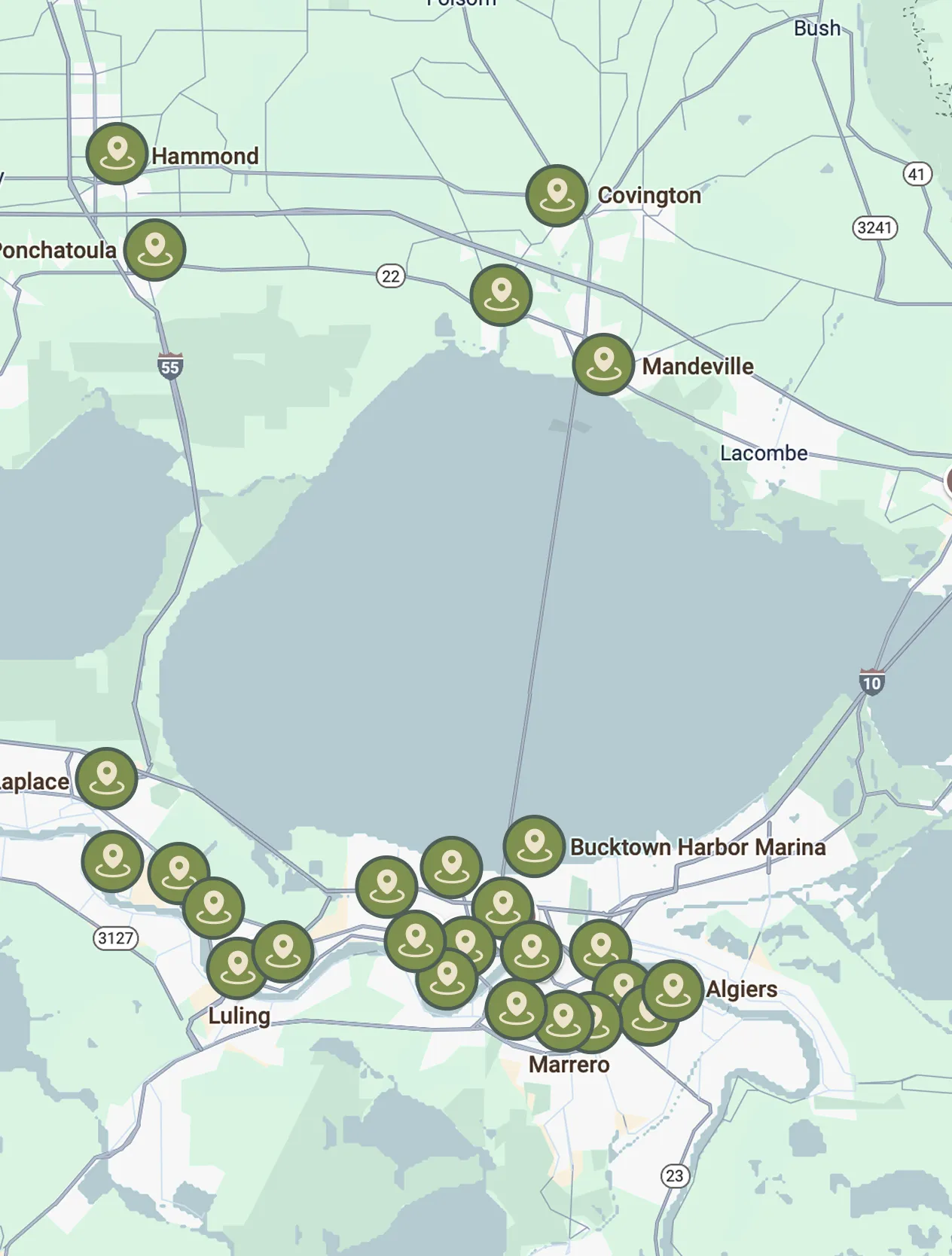
Our service areas are designed to meet the diverse needs of our clients. We focus on providing exceptional service and ensuring customer satisfaction in every location we operate.