AC Repair in Marrero, LA
.webp)
AC repair in Marrero, LA, especially with our humid coastal climate, requires a team that understands the local challenges. Cypress Cooling is that team. Timely service is crucial here, and we address typical issues like thermostat malfunctions, airflow problems, refrigerant leaks, electrical faults, and drainage complications. Our technicians are trained to diagnose and verify repairs effectively, ensuring your system is running optimally. We'll also provide clear expectations regarding response times, warranties, pricing, preventive maintenance tips, and what you can expect during a professional repair, including post service follow up.
Air Conditioning Repair in Marrero, LA
Keeping your air conditioner running reliably is essential in Marrero, LA, where hot, humid Gulf Coast summers put heavy demands on residential and light-commercial cooling systems. This page explains what to expect from professional air conditioning repair in Marrero, LA: common problems specific to the area, how technicians diagnose issues, typical repair solutions, response times for emergency and scheduled service, credentials to look for, warranty considerations, and practical tips to prevent repeat failures.
Why timely AC repair matters in Marrero, LA
Marrero’s high humidity and warm temperatures mean HVAC systems run longer and harder than in cooler climates. Salt-laden air, frequent storms, and older home construction in Jefferson Parish can accelerate corrosion, clog drains, and expose ductwork to leaks. Left unchecked, small problems escalate into compressor failures or unsafe electrical faults that reduce comfort and drive up energy bills. Prompt, accurate repair preserves system life, restores comfort, and reduces operating costs.
Common air conditioning problems in Marrero
- Faulty thermostats: Incorrect readings, dead sensors, or wiring failures cause no cooling, short cycling, or temperature swings. Humidity and power fluctuations in the region can accelerate thermostat issues.
- Weak or uneven airflow: Dirty filters, failing blower motors, obstructed ducts, or return-air restrictions lead to poor airflow and uneven comfort. Older or uninsulated ducts in local homes often worsen this.
- Unusual noises: Rattling, banging, grinding, or high-pitched squeals typically indicate loose components, failing bearings, failing compressors, or debris caught in the outdoor fan.
- Refrigerant leaks and low refrigerant: Low charge reduces cooling capacity and forces the compressor to work harder, increasing failure risk. Salt air corrosion and line-set deterioration can contribute to leaks.
- Electrical problems: Tripped breakers, failed capacitors, contactor wear, and control board failures are common and can create safety hazards.
- Clogged condensate drains and water leaks: High humidity and debris build-up can block drains, causing water backups and potential indoor damage.
- Coil corrosion and reduced efficiency: Outdoor condensers near coastal air can corrode, restricting heat transfer and reducing performance.
How reputable technicians diagnose AC problems
Certified technicians follow a methodical diagnostic process to identify root causes rather than applying temporary fixes:
- Initial interview and symptom check: Confirm runtime history, noises, odors, and when problems began.
- Visual inspection: Check outdoor unit, indoor air handler, condensate lines, ductwork access points, and thermostat wiring.
- Electrical tests: Measure voltage and amperage, test capacitors, contactors, and safety switches to spot failing components.
- Airflow analysis: Inspect filters, blower operation, and duct integrity; measure supply and return temperatures and static pressures when needed.
- Refrigerant system checks: Check pressures, temperatures, and use leak-detection equipment when a low charge or leak is suspected. Work follows EPA refrigerant-handling regulations.
- Operational run and verification: Run the system through a full cycle, listen for abnormal sounds, and verify restored performance after repairs.
Typical repair solutions you can expect
- Thermostat repair or replacement: Calibrate, rewire, or replace with a compatible, humidity-tolerant model when needed.
- Filter and airflow fixes: Replace filters, clear returns, repair or replace blower motors and belts, and seal or insulate ducts to restore even airflow.
- Electrical component replacement: Replace capacitors, contactors, relays, and control boards with properly rated parts to restore reliable starts and operation.
- Refrigerant leak repair and recharge: Locate and repair leaks, replace damaged line sets or valves, evacuate and recharge the system with the correct refrigerant, and test to ensure no further leaks.
- Compressor and condenser repairs: Replace failing compressors or condenser fans when diagnostics show irreparable damage; clean or replace corroded coils where practical.
- Drain and coil service: Clear condensate lines, flush traps, and clean evaporator and condenser coils to prevent backups and improve efficiency.
- Safety-related repairs: Address electrical hazards, grounding issues, and failed safety switches immediately to protect property and occupants.
Expected response times and emergency handling
- Many repair providers offer prioritized response for loss-of-cooling situations or electrical hazards, with same-day or next-day service available for nonemergency repairs.
- Emergency conditions that typically receive expedited attention include complete system failure during extreme heat, active refrigerant leaks, burning electrical smells, or water intrusion from blocked condensate lines.
- For scheduled repairs, a detailed arrival window, pre-service checklist, and on-site estimate are standard practice so you know what to expect when the technician arrives.
Credentials and workmanship standards to look for
- Technicians should hold EPA Section 608 refrigerant certification and relevant state or local HVAC licensing where required.
- Additional certifications such as NATE (North American Technician Excellence) indicate higher technical competency.
- Look for technicians who use proper diagnostic tools, follow safety protocols, and provide clear written estimates and scope-of-work documents before performing repairs.
- Repairs should comply with local codes and industry standards; reputable technicians will note permit requirements if a job triggers local permitting.
Pricing structure and estimates
- Transparent repair providers supply a clear, written estimate outlining parts, labor, and any permit fees before starting work.
- Estimates should explain options such as repair versus replacement when an aging system faces major failures, including the expected remaining life and efficiency implications.
- Warranties or guarantees on parts and labor should be documented so you understand coverage after the job is complete.
Warranties and post-repair support
- Standard practice is to provide manufacturer warranties for replaced components and a workmanship guarantee for labor. Confirm the length and scope of any warranty in the written estimate and final invoice.
- Post-repair testing and a final walkthrough help verify the system is operating correctly and that you understand any maintenance steps to protect the repair.
Preventive tips to avoid future failures in Marrero
- Replace air filters regularly, especially in high-humidity seasons, and use higher-MERV filters only if the system is compatible.
- Schedule annual or biannual tune-ups timed before peak cooling season to check refrigerant levels, clean coils, inspect electrical components, and test airflow.
- Keep the outdoor condenser clear of vegetation, debris, and salt spray buildup; rinse coils periodically while following manufacturer guidance.
- Ensure proper drainage around the outdoor unit and periodically inspect condensate lines for blockages.
- Upgrade aging thermostats and consider programmable or smart thermostats that reduce runtime and maintain consistent humidity control.
- Seal and insulate ductwork in attics or crawlspaces common in older Marrero homes to reduce loss and improve comfort.
What to expect when repairs are performed
When a certified technician performs repairs you should receive a professional diagnostic report, a written estimate of recommended work, explanation of repair options and expected outcomes, and verification testing after repairs are complete. Documentation should include warranty terms and maintenance recommendations tailored to Marrero’s climate and your home’s specific needs.
This overview equips Marrero homeowners and property managers to recognize common AC problems, understand how technicians diagnose and repair systems, and make informed decisions about emergency and scheduled repairs while protecting comfort and system longevity in the region’s demanding climate.
OUR CLIENTS HAVE TO SAY ABOUT US



Service areas
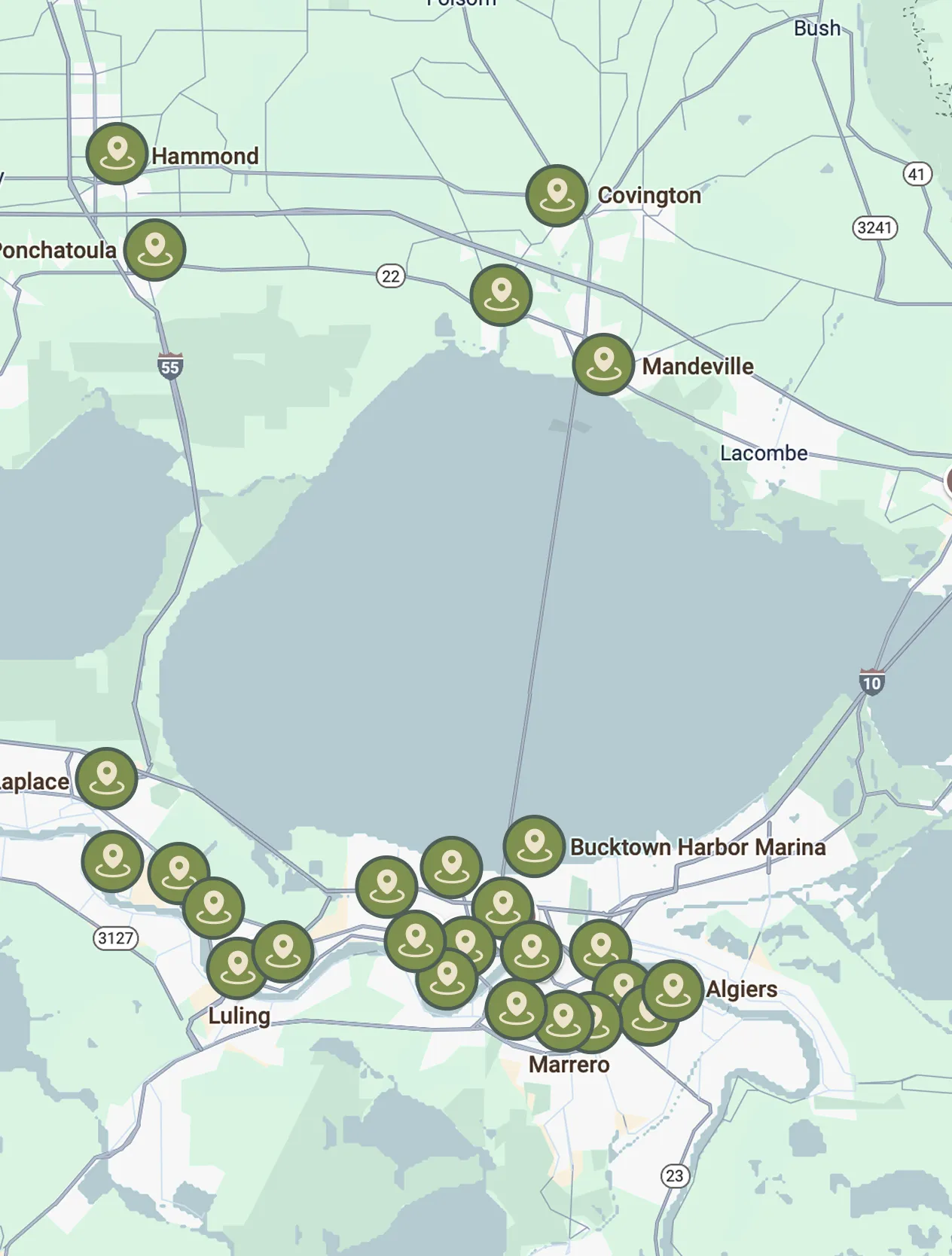
Our service areas are designed to meet the diverse needs of our clients. We focus on providing exceptional service and ensuring customer satisfaction in every location we operate.