AC Repair in Mandeville, LA
.webp)
When your AC sputters in Mandeville, LA, you're likely dealing with issues common to our climate and the age of your system. Think faulty thermostats, refrigerant leaks that leave you sweating, weak airflow, or strange noises coming from your unit. Electrical faults, frozen coils, and problems with the compressor or condenser are also frequent culprits. At Cypress Cooling, we understand these headaches. Our approach starts with a thorough diagnostic process, from safety checks to leak detection and performance testing. We then tackle repairs like thermostat adjustments, refrigerant recharges, blower replacements, capacitor and contactor swaps, coil and drain repairs, and duct sealing. We'll also keep you informed about timelines, warranties, emergency service options, and the long term benefits of preventive maintenance for reliable cooling.
-min%2520(1).webp)
Air Conditioning Repair in Mandeville, LA
Living in Mandeville means long, hot, humid summers and occasional coastal weather that stresses residential and light-commercial air conditioning systems. When your AC struggles, the result is discomfort, higher energy bills, and potential indoor air quality problems. This page explains common air conditioning repair issues in Mandeville, LA, how technicians diagnose problems, typical repairs and parts replacements, expected response times and warranty practices, emergency options, and preventive steps to keep your system reliable.
Common air conditioning problems in Mandeville homes
Homes and light-commercial properties in Mandeville face a mix of climate-driven and age-related AC failures. Typical issues include:
- Faulty thermostat: Incorrect calibration, failed sensors, or wiring problems cause short cycling, inconsistent temperatures, or the system not turning on.
- Low refrigerant or leaks: Refrigerant loss reduces cooling capacity and can damage the compressor if left unchecked. Older systems using phased-out refrigerants are more complicated to service.
- Weak airflow: Clogged filters, obstructed return vents, failing blower motors, or duct leaks lead to poor circulation and uneven cooling.
- Strange noises: Rattling, squealing, grinding, or hissing often indicate loose components, motor bearings, compressor stress, or refrigerant leaks.
- Frozen evaporator coils and drainage problems: High humidity, restricted airflow, or blocked condensate drains cause coil freeze-ups and water backup.
- Electrical failures: Bad capacitors, relays, contactors, and worn wiring cause intermittent operation or complete shutdowns.
- Compressor or condenser failures: Age, salt air corrosion, and power cycling can lead to major outdoor unit failures that require significant repair or replacement.
- High energy bills or frequent cycling: System inefficiency from dirty coils, low refrigerant, or failing components increases operating costs.
Local factors in Mandeville — high humidity, pollen and mold seasonality, occasional salt air exposure, and storm-related power fluctuations — make routine inspections and timely repairs particularly important.
Diagnostic and troubleshooting process technicians use
A thorough, systematic diagnostic approach ensures accurate repair recommendations and avoids unnecessary parts replacement. Typical steps include:
- Initial safety and visual inspection: Check breakers, fuses, visible wiring, exterior unit condition, and general cleanliness.
- Thermostat verification: Confirm settings, test temperature response, and check wiring or sensor issues.
- Electrical testing: Measure voltages and component continuity to isolate failed capacitors, contactors, or motors.
- Airflow assessment: Inspect filters, returns, ductwork, and blower operation; measure static pressure if needed.
- Refrigerant system evaluation: Attach gauges to check pressures, compare to manufacturer specs, and look for signs of leaks.
- Leak detection: Use electronic detectors, UV dye, or soap tests where appropriate to locate refrigerant leaks.
- Coil and drainage inspection: Check evaporator and condenser coils, clean if necessary, and inspect condensate drain lines and pans.
- Test run and performance metrics: Run the system while monitoring temperatures, pressures, and amp draws to confirm diagnosis.
- Written findings and options: Provide a clear explanation of issues, recommended repairs, parts required, and expected outcomes.
Technicians adapt these steps for light-commercial systems that may have multiple zones, rooftop units, or more complex controls.
Typical repair procedures and parts replacements
Common repairs target the faulty component while preserving functioning parts whenever possible:
- Thermostat repair or replacement: Recalibration or replacement with a compatible unit; check wiring and control compatibility.
- Refrigerant leak repair and recharge: Locate and repair the leak, evacuate, and recharge with the correct refrigerant; document refrigerant type and quantity.
- Blower motor or fan replacement: Replace worn motors or belts; clean and balance fan blades to restore airflow.
- Capacitor and contactor replacement: Replace failed start/run capacitors and contactors commonly responsible for starting issues.
- Compressor and condenser repairs: Compressors often require replacement when seized; condenser coil repairs or replacements may be necessary if corroded.
- Coil cleaning and coil repairs: Clean evaporator and condenser coils to restore heat transfer; minor fin straightening or section replacement for severe damage.
- Condensate drain cleaning and trap repair: Clear clogs, replace traps or install auxiliary condensate safety switches where needed.
- Control board and sensor replacement: Replace failed electronics that cause erratic operation or communication errors.
- Duct repairs and sealant: Repair visible duct leaks, add insulation, and improve return/ supply balancing for better efficiency.
Technicians typically explain which repairs restore reliability versus those that are temporary fixes, and highlight when replacement is the most cost-effective long-term solution.
Response times and estimate transparency
In Mandeville, timely service matters during peak heat and humidity. Typical availability patterns include:
- Routine diagnostic appointments scheduled within 24 to 72 hours during normal business periods.
- Accelerated or priority scheduling for systems in distress, health-related cooling needs, or commercial operations.
- After-hours and weekend emergency response options for no-cool or unsafe conditions.
Estimates should be provided in writing before any work proceeds. Repair cost varies widely based on the part, refrigerant type, system accessibility, and labor required. Technicians will outline cost drivers and alternatives so you can make an informed decision.
Warranty and labor information
Repairs often carry two layers of protection:
- Manufacturer parts warranties: Many replacement parts come with manufacturer warranties that vary by component and brand.
- Labor warranties: Technicians commonly offer a limited labor warranty covering workmanship for a specified period after repair.
Warranty coverage depends on the part, installer policies, and whether maintenance records are up to date. Retain documentation of service, parts replaced, and refrigerant type for future warranty validation and system history.
Emergency and after-hours support
Emergency services address urgent failures that create unsafe conditions or significant business interruptions. During storms or power events common to South Louisiana, technicians follow safety protocols, prioritize critical systems, and may carry common replacement parts to restore basic cooling quickly. For complex failures, temporary measures can reduce downtime until full repairs are completed.
Preventive maintenance and long-term benefits
Regular maintenance reduces emergency repairs and helps AC systems last longer in Mandeville’s demanding climate. Recommended practices include:
- Seasonal tune-ups before the hottest months, including cleaning coils, checking refrigerant, and testing electrical components.
- Regular filter changes and attention to return vent clearance to combat pollen and mold seasonality.
- Inspecting the outdoor unit for salt or moisture-related corrosion and trimming vegetation to improve airflow.
- Verifying condensate drainage and installing safety switches in areas prone to mold or overflow.
Consistent maintenance leads to lower energy use, fewer breakdowns, improved comfort, and better indoor air quality — important benefits in humid coastal communities.
Prompt, accurate air conditioning repair in Mandeville preserves comfort and prevents small problems from becoming major failures. Clear diagnostics, transparent estimates, and attention to local climate factors ensure repairs address the root cause and restore dependable cooling performance.
OUR CLIENTS HAVE TO SAY ABOUT US



Service areas
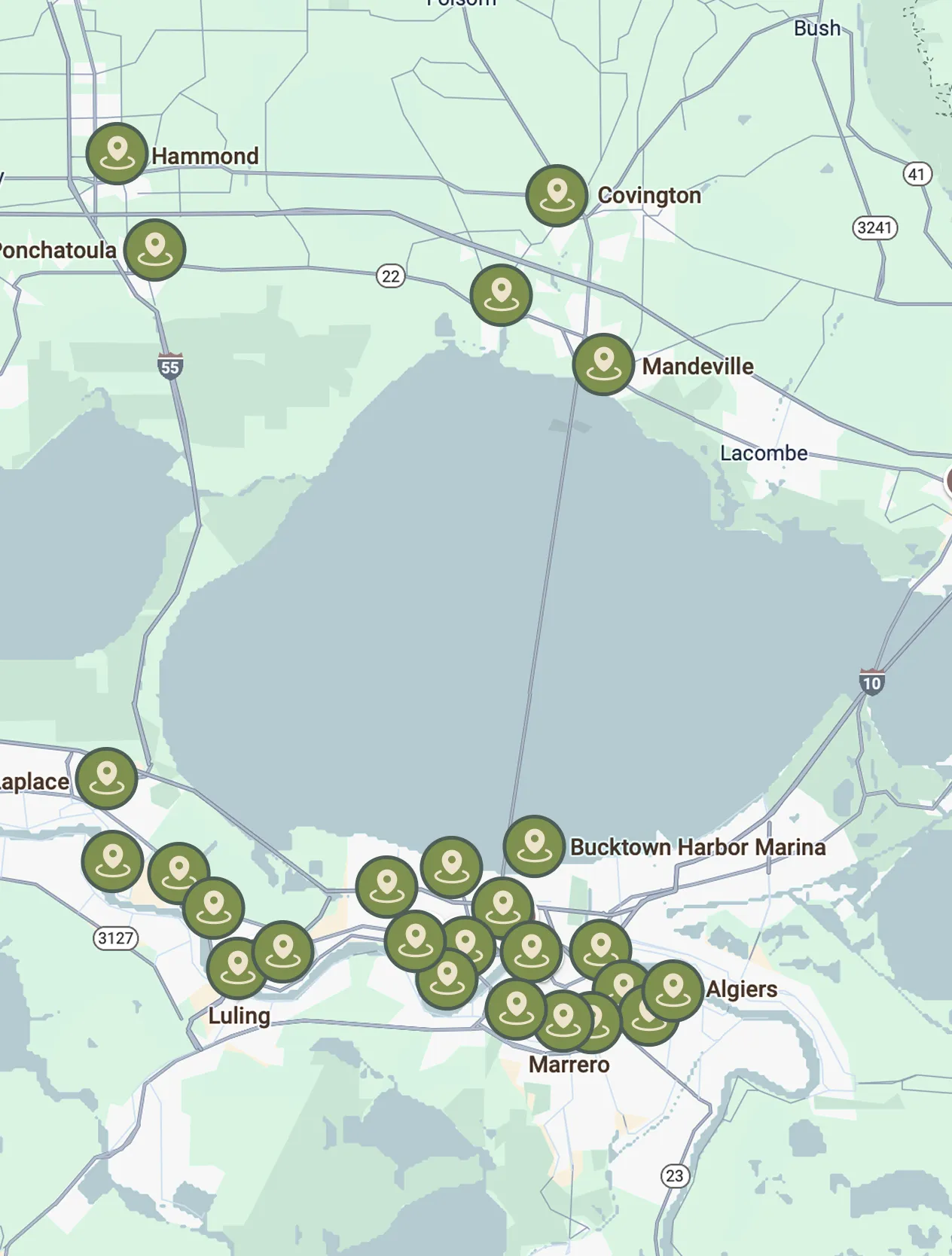
Our service areas are designed to meet the diverse needs of our clients. We focus on providing exceptional service and ensuring customer satisfaction in every location we operate.