AC Repair in Luling, LA
.webp)
Cypress Cooling offers AC repair in Luling, LA, focusing on identifying common problems, providing clear diagnostic steps, and offering transparent pricing for parts and labor. Our technicians thoroughly inspect your system's operation, check for refrigerant leaks, test components, and complete all necessary repairs with upfront cost estimates. We offer warranty support, financing options, emergency availability, and convenient scheduling. Cypress Cooling also provides homeowners with essential maintenance advice, such as regular filter changes, seasonal tune ups, and keeping outdoor units clear, to prevent future issues and ensure reliable cooling and healthy indoor air quality in our hot, humid climate.
-min.webp)
Air Conditioning Repair in Luling, LA
Keeping your home comfortable in Luling, LA means relying on an air conditioning system that works efficiently through long, humid summers and stormy seasons. When an AC fails, the problem is rarely just inconvenience — higher energy bills, indoor humidity, and potential mold growth follow quickly. This page explains common AC problems in Luling homes, how technicians diagnose issues, typical repair procedures and parts, expected repair timelines and cost factors, emergency response and after-hours options, technician qualifications, warranty and financing considerations, and what to have ready when scheduling service.
Why timely AC repair matters in Luling, LA
South Louisiana’s hot, humid climate puts extra strain on HVAC systems. High humidity forces systems to run longer to remove moisture, accelerating wear on compressors, coils, and fan motors. Salt air and frequent summer storms increase corrosion risk for outdoor units and electrical components. Prompt repairs reduce the chance of major failure during peak heat, improve indoor air quality, and restore energy efficiency.
Common AC problems in Luling homes
- Thermostat faults
- Misreading temperatures, short cycling, or a dead display are symptoms. Issues may be simple (dead batteries, poor placement) or require replacing the thermostat or its control board.
- Refrigerant leaks
- Low refrigerant causes reduced cooling and ice on evaporator coils. Leaks must be located and repaired before recharging; refrigerant handling requires EPA-certified technicians.
- Weak airflow
- Restricted airflow often results from dirty filters, blocked return vents, failing blower motors, or duct leaks. Reduced airflow strains the system and reduces dehumidification.
- Unusual noises
- Grinding, banging, rattling, or hissing can indicate loose parts, failing motor bearings, compressor problems, or refrigerant leaks. Noises are often the first sign of component failure.
- Electrical failures
- Capacitors, contactors, or relays failing can prevent the system from starting. Corrosion from humidity or storm-related power surges commonly damages electrical components.
- Drainage and condensate issues
- Clogged drain lines cause water backups and secondary water damage or mold growth inside the home.
How technicians diagnose your AC problem
A professional diagnostic follows a consistent process to identify the root cause, not just symptoms:
- History and inspection: Technician asks about recent symptoms, thermostat settings, and any unusual events (storms, power outages). They visually inspect indoor and outdoor units.
- System operation check: Verify blower operation, refrigerant pressures with manifold gauges, electrical voltages, and thermostat signals.
- Filter, duct, and airflow assessment: Check filters, returns, supply registers, and blower amp draw to pinpoint airflow restrictions.
- Leak detection and coil inspection: Use electronic leak detectors, UV dye, or soap testing where refrigerant loss is suspected. Inspect evaporator and condenser coils for damage or corrosion.
- Component testing: Test capacitors, contactors, motors, and the compressor. Technicians may run digital diagnostics or manufacturer-specific tools for newer systems.
- Written findings: A clear report outlines the problem, recommended repairs, parts needed, and a timeline.
Typical repair procedures and common parts used
- Thermostat replacement or recalibration
- Replacing with a compatible programmable or smart thermostat, repositioning sensors, or fixing wiring issues.
- Refrigerant leak repair and recharge
- Locate and repair leak, replace damaged tubing or fittings, vacuum system, and recharge to manufacturer-spec levels. EPA 608 certification required.
- Capacitor, contactor, and relay replacement
- Quick onsite swaps to restore electrical starting and control functions.
- Blower motor or fan replacement
- Repair or replace motor assemblies and belts (if applicable) to restore airflow.
- Evaporator or condenser coil cleaning and repair
- Chemical cleaning, fin straightening, or coil replacement when corroded or damaged.
- Compressor replacement or major component repairs
- Larger jobs that may require more time and refrigerant recovery. Often involves system evacuation and recharge.
- Duct repairs and condensate line clearing
- Seal duct leaks, replace damaged sections, and clear/replace condensate traps or lines.
Expected repair timelines and cost factors
- Diagnostics: Typically 30–90 minutes on-site to fully assess the system.
- Minor repairs (thermostat, capacitor, filter, condensate clear): Often completed the same day in 30 minutes to 2 hours.
- Moderate repairs (blower motor, minor refrigerant repair, coil cleaning): Commonly 1–4 hours; may require parts ordering.
- Major repairs (compressor replacement, extensive coil or refrigerant system work): Several hours to a full day or more depending on parts availability and system access.Factors that influence repair time and cost:
- Age and model of the system
- Parts availability and whether OEM parts are used
- Extent of corrosion or secondary damage (common in coastal/inland areas)
- Accessibility of equipment (tight attics or roof units take longer)
- Need for permits or refrigerant recovery procedures
Note: Rather than fixed prices, expect a quote based on diagnosis that explains each recommended repair and alternatives.
Emergency and after-hours response
During extreme heat or sudden failures, many Luling HVAC providers offer after-hours or emergency response. Emergency calls typically prioritize safety (electrical hazards, leaks) and restoring temporary cooling where possible. Technicians follow safety protocols during storms and power fluctuations and can often perform temporary measures to stabilize the system until full repairs can be scheduled.
Technician qualifications and professional standards
For safe, reliable repairs in Luling:
- Technicians should hold EPA 608 certification for refrigerant handling.
- Look for NATE certification or factory-authorized training on major brands (Carrier, Trane, Rheem, Goodman).
- Technicians should have continued education on modern systems, digital diagnostics, and local code compliance.
- Proper licensing and insurance protect your home and comply with parish requirements.
- Background checks, on-the-job training, and documented safety procedures are signs of a reputable team.
Warranty and financing information
- Many manufacturers provide parts and compressor warranties; labor warranties are often offered by contractors for specified periods. Ask for warranty details in writing and what actions could void coverage.
- Financing options are commonly available to spread out repair or replacement costs. Typical plans vary by provider and may require a credit application; request clear terms and documentation before committing.
What to have ready when scheduling service
When you book a repair visit, prepare:
- Make/model and approximate age of your HVAC system (usually on the outdoor unit nameplate)
- Description of symptoms, when they started, and any recent events (storms, power outages)
- Preferred access times and any pets or entry instructions
- Any past repair records or warranty paperworkExpect a technician to confirm an appointment window, perform a full diagnostic, present a written estimate, and explain repair options before any work begins.
Maintenance tips to reduce future repairs
- Change filters every 1–3 months depending on use and indoor conditions.
- Schedule a preseason tune-up before summer to check refrigerant levels, clean coils, and test safety controls.
- Keep the outdoor unit free of debris and vegetation; rinse coils gently to remove salt and pollen build-up.
- Use a programmable thermostat or smart controls to reduce runtime and stress on the system.
- Promptly address small issues like odd noises or reduced airflow to avoid larger failures during peak heat.
Timely, professional AC repair in Luling protects comfort and home health in a climate that demands reliable cooling. A thorough diagnostic, qualified technicians, and clear written estimates ensure repairs are done correctly and efficiently, minimizing downtime and long-term costs.
OUR CLIENTS HAVE TO SAY ABOUT US



Service areas
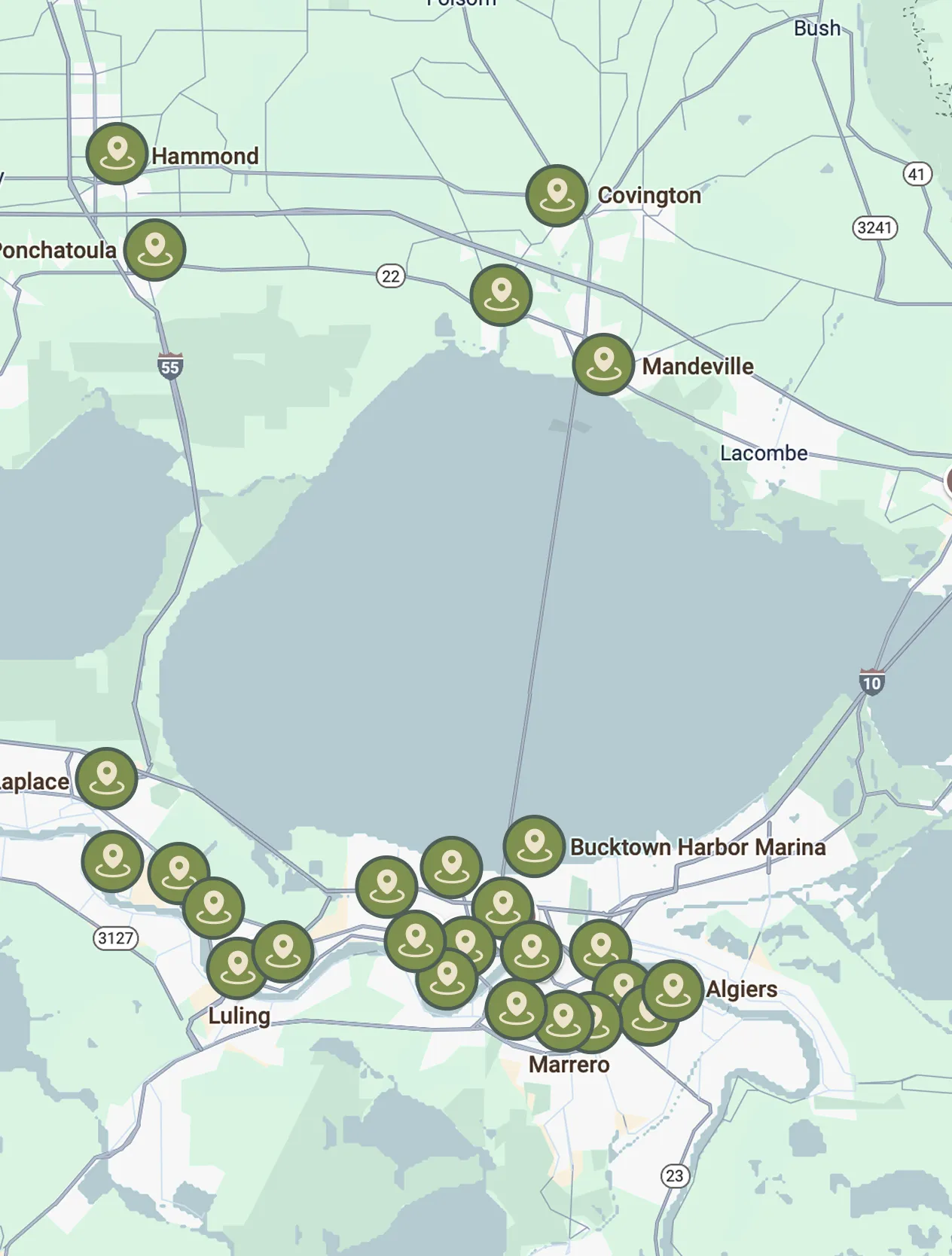
Our service areas are designed to meet the diverse needs of our clients. We focus on providing exceptional service and ensuring customer satisfaction in every location we operate.