AC Repair in Hammond, LA
.webp)
In Hammond, LA, Cypress Cooling is your trusted partner for AC repair. We address a wide range of problems, including thermostat faults, refrigerant leaks, poor airflow, unusual noises, and electrical failures. Our technicians employ a stepbystep diagnostic approach to pinpoint the root cause of the issue, providing you with clear timelines and cost estimates. Cypress Cooling services include warranty coverage, flexible financing options, and emergency repair availability, all performed by qualified technicians adhering to strict safety protocols. We also offer preventive tips, such as seasonal tuneups and filter changes, to help extend the life of your system, ensuring dependable cooling and comfort throughout Louisiana’s hot and humid summers.
-min.webp)
Air Conditioning Repair in Hammond, LA
Keeping your home comfortable during Hammond summers means dependable air conditioning repair when things go wrong. High humidity, frequent thunderstorms, and long warm seasons put extra strain on HVAC systems in Hammond, LA, so timely, professional AC repair preserves comfort, prevents bigger failures, and reduces energy bills. This page explains common AC problems in Hammond homes, how qualified technicians diagnose and fix them, expected timelines and costs, safety and warranty considerations, emergency options, and maintenance recommendations to keep your system running reliably.
Common AC problems in Hammond, LA homes
Homeowners in Hammond typically call for repairs that reflect our hot, humid climate and aging equipment. The most frequent issues include:
- Thermostat faults: Incorrect temperature readings, unresponsive thermostats, or wiring issues that cause cycling problems or a system that will not start.
- Refrigerant leaks: Low refrigerant reduces cooling capacity and can cause icing on evaporator coils. Leaks are common on older lines and at fittings.
- Poor airflow: Restricted airflow from clogged filters, blocked return vents, dirty evaporator coils, or failing blower motors leads to uneven cooling and higher energy use.
- Unusual noises: Grinding, rattling, or hissing can indicate loose components, failed bearings, refrigerant leaks, or failing compressors and fan motors.
- Electrical failures: Tripped breakers, failed capacitors, contactor problems, or bad wiring connections that prevent startup or cause intermittent operation.
- Drain line and condensation issues: Clogged condensate drains can cause water damage or cause the system to shut down.
- Compressor or condenser problems: Outdoor unit failures from motor, fan, or compressor issues that decrease performance or stop cooling entirely.
Diagnostic and troubleshooting procedures
A professional AC repair starts with a methodical diagnostic process to identify root causes rather than applying band-aid fixes.
- Initial inspection: Visual check of indoor and outdoor units, filters, vents, thermostat settings, and obvious signs of wear or damage.
- System power and controls check: Verify breakers, fuses, capacitors, contactors, and thermostat wiring and programming.
- Refrigerant and pressure testing: Use gauges to measure refrigerant pressure and check for leaks with electronic detectors or dye when necessary.
- Airflow and performance testing: Measure supply and return temperatures, check static pressure, and inspect blower operation and duct connections.
- Electrical diagnostics: Test motors, relays, and electrical components for continuity, voltage, and proper operation.
- Component inspection: Examine coils, fan motors, compressors, and drain lines to pinpoint failing parts or blockages.
Technicians will explain findings in plain language, list repair options, and note how each choice affects energy efficiency and long-term reliability.
Typical repair processes and timelines
Repair time varies by problem complexity and parts availability. Typical timelines include:
- Thermostat repairs or replacements: 30 minutes to 2 hours.
- Filter, drain, and minor airflow fixes: Same-day, often under 1 hour.
- Refrigerant leak detection and repair: 1 to 4 hours depending on leak location plus time to evacuate and recharge system.
- Capacitor, contactor, or fan motor replacements: 1 to 3 hours.
- Compressor or major outdoor unit repairs: Several hours; full replacements may require a day or more and coordination for parts and permits.
- Coil replacement or major duct repairs: 1 day to multiple days for extensive ductwork or custom coil orders.
Technicians should provide a clear timeline before work begins and update you if parts or unexpected issues change the schedule.
Parts, labor, and transparency on costs
Quality repairs use compatible parts sized for your system. Expect clear breakdowns showing:
- Parts: OEM versus equivalent aftermarket components, part numbers, and expected life spans.
- Labor: Hourly vs flat-rate estimates and explanations of what labor covers.
- Guarantees: Which parts and labor items include warranty coverage and the duration of each.
Transparent estimates will note when repairs are a short-term fix versus when replacement is more cost-effective based on system age, efficiency loss, and likely future failures.
Technician qualifications and safety protocols
Qualified technicians bring the right certifications and on-the-job experience to protect your home and system.
- Certifications: EPA 608 certification for refrigerant handling, state or local HVAC licensing, and manufacturer training for specific brands.
- Training: Ongoing education in refrigerant changes, modern controls, and efficiency best practices.
- Safety protocols: Lockout-tagout for electrical safety, proper refrigerant recovery, PPE for technicians, and strict adherence to local codes and permit requirements.
- Jobsite care: Protection for flooring and landscaping, secure work areas, and post-job clean up to leave the home as found.
These practices reduce risk of damage, environmental release, and repeat visits.
Emergency and rapid-response repair options
In Hammond, where extreme heat and humidity can create urgent comfort and health concerns, emergency AC repair and rapid response are common needs.
- Emergency services often include same-day or next-business-day appointments and priority dispatch during heat waves.
- Rapid diagnostics to restore temporary cooling (for example, bypassing a failed control or replacing a fan motor) while scheduling permanent repairs.
- Options for temporary measures to protect against indoor humidity and mold until a full repair or replacement can be completed.
Expect technicians to explain emergency fixes, their limitations, and the follow-up work required.
Warranty information and financing availability
Most reputable repair services offer warranties on both parts and labor. Typical industry practices include short-term labor warranties and parts warranties that vary by manufacturer.
- Labor warranties: Often 30 to 180 days depending on the provider.
- Parts warranties: Can range from 1 year for generic parts to up to 10 years for certain OEM components or compressor warranties.
Financing options are commonly available for larger repairs or replacements to spread cost over manageable monthly payments. Financing terms, eligibility, and approval details should be provided up front with any estimate.
Preventative maintenance and long-term benefits
Routine maintenance is the most cost-effective way to avoid emergency repairs in Hammond’s humid climate.
- Schedule seasonal tune-ups to clean coils, check refrigerant, test electrical components, and verify airflow.
- Replace filters regularly and keep return vents unobstructed.
- Consider programmable thermostats, zoning, or variable-speed equipment for better humidity control and efficiency.
- Address minor issues early to avoid compressor failure, refrigerant leaks, and mold growth.
Timely maintenance lowers energy costs, extends system life, and improves indoor air quality.
Final notes on choosing repair options in Hammond, LA
When evaluating AC repair options in Hammond, prioritize experienced, certified technicians who provide clear diagnostics, transparent pricing, and documented warranties. Consider the system age and your long-term comfort needs; in many Hammond homes persistent cooling problems or frequent repairs indicate that investing in a higher-efficiency replacement may be the better financial and comfort decision over time. Quality repair and preventative care will keep homes comfortable through Louisiana heat and humidity while protecting indoor air quality and energy costs.
OUR CLIENTS HAVE TO SAY ABOUT US



Service areas
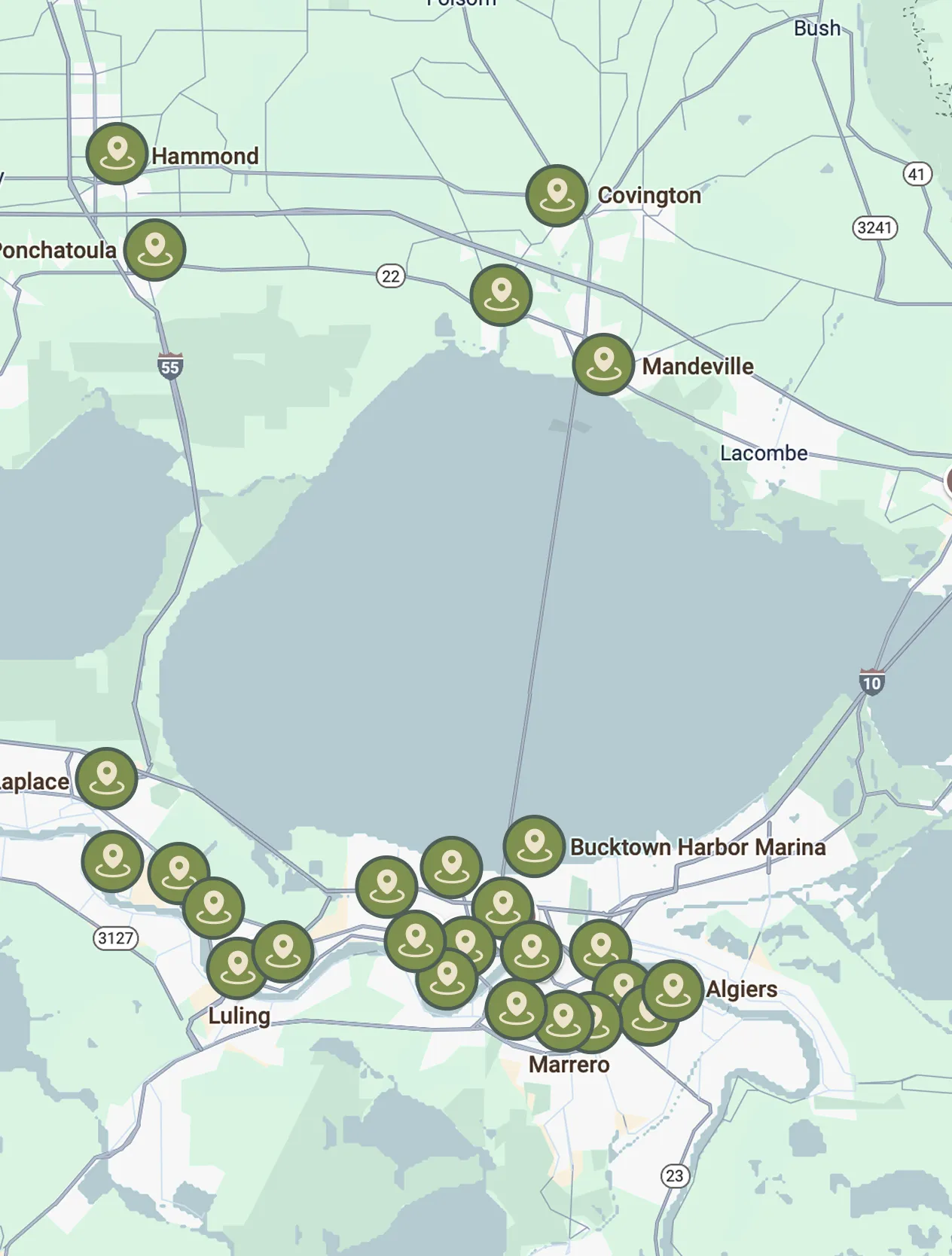
Our service areas are designed to meet the diverse needs of our clients. We focus on providing exceptional service and ensuring customer satisfaction in every location we operate.