AC Installation in Kenner, LA
.webp)
Cypress Cooling offers comprehensive guidance for professional AC installation in Kenner, LA, covering everything from sizing and permitting to the intricate installation steps. We understand how the local climate, with its salt air and flood risk, significantly influences equipment selection. We'll walk you through the typical system types best suited for our area. Our detailed process begins with initial load calculations and securing the necessary permits, followed by expert installation, careful commissioning, and thorough warranty documentation. Cypress Cooling also highlights performance testing, provides tailored maintenance recommendations, and explores financing options to help Kenner homeowners plan a durable, code compliant, and cost effective climate control solution.
-min.webp)
Air Conditioning Installation in Kenner, LA
Keeping your home comfortable through Kenner summers starts with the right air conditioning installation. With high humidity, hot temperatures, and occasional coastal storms, Kenner homes need systems that are properly sized, durably installed, and code compliant. This page explains how professional air conditioning installation in Kenner, LA is done, what to expect during each step, common system types for local homes, how performance is verified, and practical maintenance and financing considerations so you can make a confident decision.
Why a professional installation matters in Kenner, LA
- Local climate demands: Long, humid summers increase cooling load and put extra strain on improperly sized systems. Undersized units run constantly and wear out faster; oversized units cycle frequently and fail to remove humidity.
- Salt air and corrosion: Proximity to the Gulf increases corrosion risk for outdoor components. Proper unit selection and placement can extend equipment life.
- Flood and elevation concerns: Low-lying and flood-prone areas in Jefferson Parish require careful outdoor unit mounting and condensate management.
- Code and permit requirements: Local Jefferson Parish building and mechanical codes and refrigerant-handling rules must be followed to pass inspection and protect warranties.
Common air conditioning types for Kenner homes
- Central air conditioning - Best for homes with existing ductwork. Offers whole-house comfort and efficient humidity control when sized and installed correctly.
- Ductless mini-split systems - Ideal for older homes without ducts, room additions, or zoning needs. Provide high efficiency and independent zone control.
- Heat pumps - Efficient year-round solution if mild winters are present. Modern heat pumps can provide excellent cooling performance and dehumidification.
- Hybrid systems and zoning upgrades - Combine equipment types or add zoning controls to balance efficiency and comfort in larger or multi-level homes.
Typical signs you need a new installation
- Incomplete or uneven cooling across rooms
- Constant short cycling or excessive runtime
- High energy bills despite maintenance
- Recurrent refrigerant leaks or compressor failures
- Systems older than 12 to 15 years with declining reliability
Professional installation process — step by step
- Initial home assessment and load calculation
- Conduct a room-by-room Manual J load calculation to determine accurate cooling requirements based on square footage, insulation, window orientation, occupancy, and local climate factors like humidity.
- Inspect existing ductwork, attic and crawlspace conditions, electrical capacity, and potential obstruction points.
- System selection guidance
- Recommend system types (central AC, mini-split, heat pump), capacity, and efficiency levels (SEER ratings) that match the calculated load and budget.
- Discuss corrosion-resistant features and elevated pad options for outdoor units in flood-prone areas.
- Permits and code compliance
- Prepare permit documentation and ensure designs meet Jefferson Parish mechanical and electrical codes.
- Plan for refrigerant handling in accordance with EPA refrigerant recovery and disposal requirements.
- Pre-install preparation
- Confirm access routes, indoor coil fit, duct connections, and required electrical upgrades such as dedicated breakers or service panel changes.
- Order properly matched indoor and outdoor components to maintain manufacturer warranty coverage.
- Installation day procedures
- Safely remove old equipment and dispose of refrigerant per regulations.
- Set the outdoor unit on a level pad or elevated mount where required for flood protection and airflow clearance.
- Install indoor air handler or evaporator coil, connect refrigerant lines, and make proper electrical and control connections.
- Seal and balance ductwork, insulate refrigerant lines, and install a condensate drain with proper slope and safety pans if needed.
- Commissioning and performance testing
- Evacuate and charge the refrigerant system to manufacturer specifications, then measure pressures and temperatures to verify proper superheat and subcooling.
- Test airflow and verify target CFM at supply registers, perform temperature split checks, and measure electrical draw.
- Confirm thermostat calibration and control responsiveness.
- Complete warranty registration and provide the homeowner with equipment documentation and maintenance guidance.
What performance testing includes
- Refrigerant charge accuracy via pressure and temperature measurements
- Airflow verification (CFM) and static pressure checks
- Temperature differential between supply and return
- Electrical current draw and voltage stability
- Condensate drainage and overflow protection testing
Warranty registration and documentation
Registering the manufacturer warranty promptly protects your investment. Proper installation documentation, permit sign-off, and commissioning records are often required for full warranty coverage. Keep copies of installation reports, serial numbers, and permit approvals in a safe place.
Maintenance recommendations to protect your investment
- Replace or clean filters every 1 to 3 months depending on use and indoor air quality.
- Schedule professional tune-ups at least once per year; in Kenner, consider twice-yearly service to manage humidity and heavy-season wear.
- Clean coils and check condensate lines annually to prevent clogs and microbial growth.
- Inspect outdoor unit clearance and remove vegetation; apply corrosion-resistant treatments if the unit is exposed to salt air.
- Monitor thermostat operation and consider a programmable or smart thermostat for better humidity and runtime control.
Financing and booking overview
- Financing options often include low-interest loans, payment plans, and seasonal promotional programs through contractors or third-party lenders. Pre-qualification and credit checks vary by program.
- Utility rebates and local incentives may be available for high-efficiency equipment and heat pump installations. Check with local utility programs or your installer for eligibility guidance.
- Typical timelines: a full home assessment takes 30 to 90 minutes; straight-forward installations are usually completed in one day; larger projects or duct replacements may take multiple days. Final inspection and permit closure times depend on local permitting schedules.
Final considerations for Kenner homeowners
Choosing the right air conditioning installation in Kenner, LA means balancing accurate load sizing, durable equipment selection, code-compliant installation, and ongoing maintenance to handle heat, humidity, and coastal conditions. Properly commissioned systems deliver better comfort, lower energy bills, and longer equipment life. When evaluating installation plans, prioritize accurate Manual J sizing, correct refrigerant charging, documented commissioning, and warranty registration to protect long-term performance in Kenner homes.
OUR CLIENTS HAVE TO SAY ABOUT US



Service areas
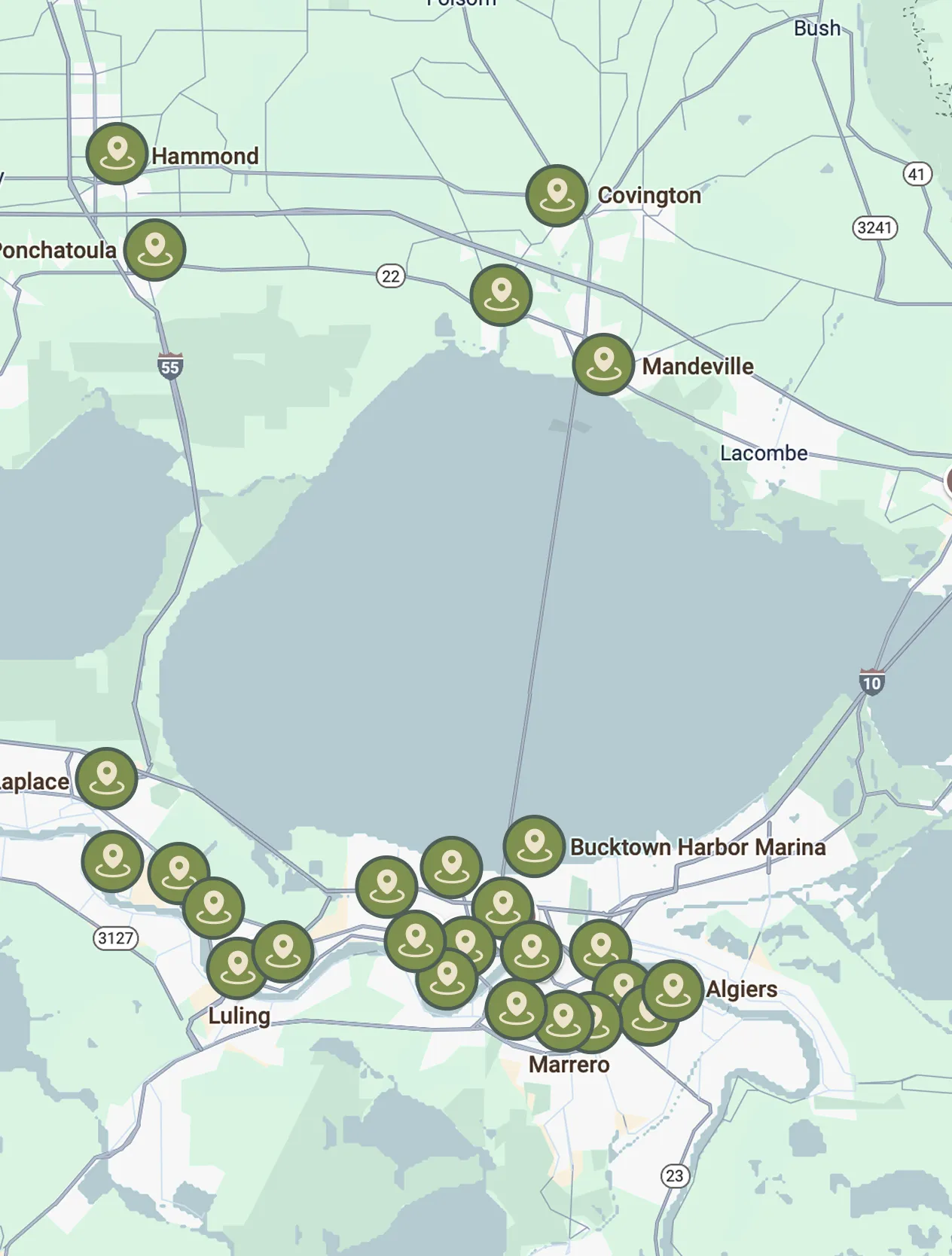
Our service areas are designed to meet the diverse needs of our clients. We focus on providing exceptional service and ensuring customer satisfaction in every location we operate.