AC Installation in Destrehan, LA
.webp)
Cypress Cooling's AC installation service in Destrehan, LA, covers every aspect of the process, from the initial onsite assessment to permitting, commissioning, and warranty handover. Our services include detailed load calculations, thorough ductwork inspection, and proper system sizing to prevent short cycling and humidity issues. We use corrosionresistant equipment specifically chosen for coastal conditions. As a homeowner, you'll benefit from preinstall consultations, professional installation, strict code compliance, comprehensive startup testing, dedicated postinstall support, and flexible financing options. Cypress Cooling's primary focus is on providing energyefficient systems that deliver reliable comfort and longterm performance, all backed by our trusted expertise.
-min%252520(5)-min.jpeg)
Air Conditioning Installation in Destrehan, LA
Replacing or installing a new air conditioning system is one of the most impactful upgrades you can make for comfort, indoor air quality, and monthly energy bills—especially in Destrehan, LA where long, hot, humid summers and coastal salt air create unique demands on HVAC equipment. This page explains exactly what to expect from a professional new air conditioning installation in Destrehan, LA: from the first on-site assessment through permitting, commissioning, warranty registration, ongoing maintenance, and available financing paths. The goal is to help you make an informed, confident decision when choosing a system and installer.
Why a proper installation matters in Destrehan, LA
- High humidity and temperatures increase runtime and stress on equipment, so correct sizing and proper airflow are essential to control humidity and avoid short cycling.
- Proximity to the Mississippi River and Gulf-influenced weather raises concerns about corrosion and outdoor unit placement.
- Older local homes often have undersized or leaky ductwork and limited attic insulation, creating hidden efficiency losses that new equipment alone will not solve.
Common reasons homeowners choose a new installation
- Existing system is at end of life or failing frequently.
- Upgrading to a higher SEER, higher-efficiency unit to lower utility bills.
- Replacing obsolete refrigerants or noncompliant components.
- Matching a new addition or remodel with an appropriately sized system.
- Solving persistent comfort problems: hot rooms, poor humidity control, or uneven airflow.
Pre-install consultation and on-site assessment
A thorough installation begins with a detailed consultation and on-site assessment. Expect the technician to:
- Review your current system, age, and maintenance history.
- Inspect the house layout, insulation, attic/crawlspace conditions, and duct system.
- Note local conditions: roof orientation, yard clearance for the outdoor unit, and potential salt or flood exposure.
- Discuss comfort goals, budget range, and preferred thermostats (programmable, smart, zoning options).
- Provide a written scope that outlines recommended equipment, necessary ductwork work, and estimated timeline.
Load calculations and unit selection
Correct sizing is critical. Professional installations use a Manual J load calculation (or equivalent) that considers:
- Square footage and room-by-room heat gains and losses.
- Insulation levels, window types, shading, and occupancy patterns.
- Local climate factors and humidity loads specific to Destrehan.Key selection considerations:
- Right-sized capacity to avoid short cycling or inadequate dehumidification.
- Efficiency rating (SEER) appropriate for long-term energy savings.
- Refrigerant type and availability; future-proofing against phased refrigerant changes.
- Corrosion-resistant features or protective coatings for coastal exposure.
Ductwork inspection and necessary modifications
Even the best equipment will underperform on poor duct systems. A professional installation includes:
- Visual inspection for leaks, disconnections, collapsed ducts, or improper insulation.
- Measurement of static pressure and airflow in key supply and return registers.
- Recommendations for sealing (mastic or UL-rated tape), adding return pathways, or resizing trunks and registers.
- Options for duct insulation upgrades, especially in unconditioned attic spaces, and for adding a dedicated return or transfer grille to balance airflow.
Professional installation steps
Typical on-site installation flow:
- Site preparation: verify clearances, level pad or curb for outdoor unit, and electrical service capacity.
- Safe removal and proper disposal or refrigerant recovery of the old unit, if applicable.
- Install indoor evaporator coil and/or air handler and connect to existing or modified ductwork.
- Install outdoor condensing unit with vibration isolation and appropriate elevation in flood-prone areas.
- Refrigerant and refrigerant line installation including flare or brazed fittings as required.
- Electrical hookups: disconnect, breakers, contactors, and safety devices sized to code.
- Condensate drain setup and testing to prevent backups and mold risk.
- Thermostat installation and controls integration; zoning if specified.Installation crews should document all steps, take photos as needed, and leave the work area clean.
Permitting and code compliance
Installations in Destrehan must comply with local building codes and St. Charles Parish permitting requirements. A professional installer will:
- Pull required permits and schedule inspections when necessary.
- Ensure electrical and mechanical work meets state and parish codes.
- Use licensed technicians where local regulations require credentialed contractors.Proper permitting protects you and preserves warranty and insurance coverage.
Start-up testing and commissioning
A thorough startup is not optional. Commissioning typically includes:
- Measuring refrigerant charge and adjusting to manufacturer specifications.
- Verifying airflow and temperature split across the coil.
- Testing safety controls, condensate overflow protection, and electrical draw.
- Balancing supply and return airflow and checking thermostat calibration and schedules.
- Demonstrating system operation and basic maintenance points for homeowners.
Manufacturer warranties and maintenance handoff
New systems come with manufacturer warranties that vary by component and registration. During handoff you should receive:
- Documentation of installed equipment model and serial numbers.
- Warranty terms and instructions for registration (often required within a timeframe).
- A maintenance plan recommendation—most manufacturers expect annual or biannual professional service to keep warranties valid.
- Guidance on filter type and replacement frequency, thermostat settings to protect warranty, and corrosion-prevention measures for outdoor units.
Post-install support and financing options
Post-install support typically includes follow-up checks to ensure performance, troubleshooting assistance in early weeks, and options for seasonal maintenance agreements. Given the higher cooling demand in Destrehan summers, regular tune-ups (spring and fall or at least annual pre-season checks) extend equipment life and preserve efficiency. For homeowners concerned about upfront costs, many installers offer financing options to spread payments—terms, qualification, and program details vary regionally.
Benefits of a correctly executed installation
- Better humidity control and consistent indoor comfort during long humid summers.
- Lower monthly energy bills and improved system longevity when sized and tuned properly.
- Reduced risk of breakdowns during peak heat with correct airflow, refrigerant charge, and electrical sizing.
- Improved indoor air quality through proper filtration and balanced ventilation.
- Peace of mind knowing installations meet local codes and manufacturer requirements.
Practical tips for Destrehan homeowners after installation
- Keep outdoor unit clear of debris and salt accumulation; rinse occasionally with fresh water if practical.
- Replace filters regularly; consider higher MERV ratings that still allow proper airflow.
- Schedule seasonal inspections before peak cooling season to verify refrigerant charge and condensate drains.
- Consider attic insulation improvements and shading to reduce heat load on the system.
- Monitor humidity; if humidity remains high, discuss dehumidification or slight oversizing tradeoffs with your installer.
A professional, code-compliant air conditioning installation adapted to Destrehan climate and building conditions delivers reliable comfort, energy savings, and fewer service interruptions. The difference between a good and a great installation is detailed planning, accurate sizing, quality ductwork work, careful commissioning, and clear warranty and maintenance handoff.
OUR CLIENTS HAVE TO SAY ABOUT US



Service areas
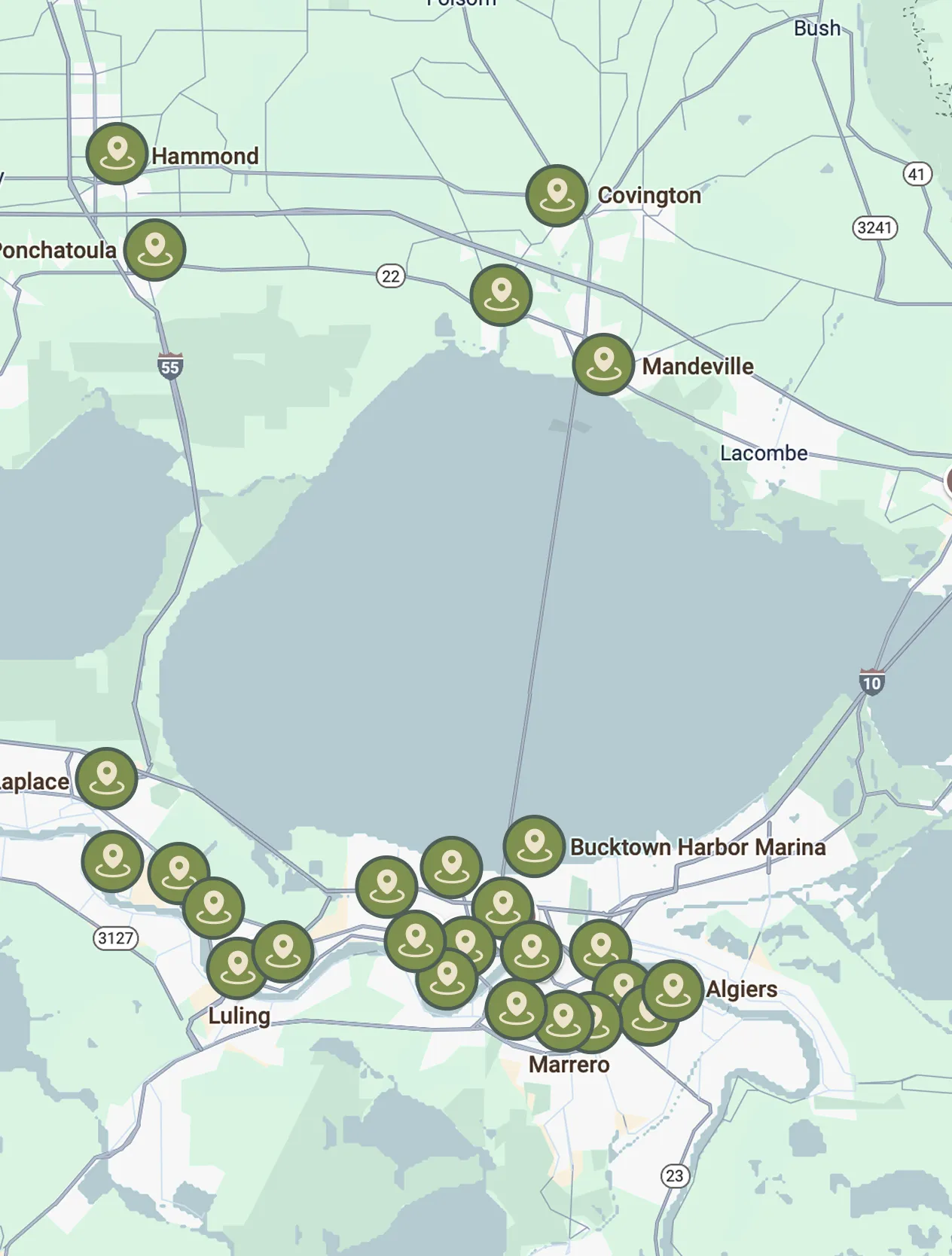
Our service areas are designed to meet the diverse needs of our clients. We focus on providing exceptional service and ensuring customer satisfaction in every location we operate.