AC Installation in Algiers, LA
.webp)
When considering AC installation in Algiers, LA, it's crucial to start with an expert site assessment. Cypress Cooling ensures accurate system sizing and thorough ductwork evaluation, followed by codecompliant installation. Our services encompass full system replacements, split systems, and ductless units. We provide stepbystep guidance from permitting to commissioning, emphasizing corrosion protection and adherence to local codes. With Cypress Cooling, you'll benefit from longterm maintenance that ensures efficiency, reliability, and system longevity, leading to energy savings, improved humidity control, and solutions perfectly suited for both modern and historic homes.
%2520(10)-min.jpeg)
Air Conditioning Installation in Algiers, LA
Replacing or installing a new air conditioning system is one of the most important investments you can make for comfort, energy savings, and indoor air quality in Algiers, LA. With hot, humid summers and the Gulf Coast’s salt air and storm risks, proper AC installation in Algiers homes requires careful site assessment, correct system sizing, ductwork evaluation, and code-aware installation to deliver reliable cooling and lasting performance.
Why a proper AC installation matters in Algiers
- Local summer heat and high humidity increase cooling loads and moisture control needs. An undersized or poorly installed system will short-cycle, struggle to remove humidity, and raise energy bills.
- Coastal conditions accelerate corrosion on outdoor components unless units are installed and protected correctly.
- Many Algiers homes are older or in historic districts where duct routing, access, and aesthetic preservation require tailored solutions.
- Floodplain and local building codes can affect outdoor unit placement and anchoring, so compliant installation prevents later complications.
Common air conditioning installation types and issues in Algiers
- Full system replacement (condensing unit + air handler/coil): For aging systems or when efficiency and reliability are priorities.
- Split-system installs with ductwork modifications: When existing ducts are undersized, leaky, or in poor condition.
- Ductless mini-split installs: For additions, historic homes without ducts, or rooms needing independent climate control.
- Poorly sized systems: Too small = insufficient cooling; too large = poor humidity control and short cycling.
- Improper equipment location: Outdoor units left in low-lying areas or unprotected from salt spray and debris will degrade faster.
- Unbalanced airflow or high duct leakage: Reduces performance and comfort room-to-room.
Site assessment, sizing, and model selection
A thorough installation begins with a detailed site assessment:
- Conduct a room-by-room heat load calculation (industry-standard Manual J or equivalent) to determine the correct capacity for your home. This accounts for insulation, window orientation, occupancy, and local humidity.
- Evaluate the duct system and layout (Manual D guidance) to determine whether ducts need resizing, sealing, or replacement to support new equipment.
- Consider model features appropriate for Algiers: systems with strong dehumidification, variable-speed compressors or fans for better humidity control and efficiency, and corrosion-resistant coatings for outdoor coils.
- Factor lifestyle preferences (quiet operation, smart thermostats, zoning) and long-term energy goals when selecting system efficiency levels and technology.
Ductwork evaluation and modifications
- Inspect duct condition, insulation, and leakage. In many older Algiers homes, duct sealing and insulation improvements are required to achieve designed performance.
- If ducts are undersized, expect modifications or a redesign to balance airflow and eliminate hot/cold spots.
- Where full duct replacement is not feasible, targeted repairs, return-air improvements, and adding dampers or zoning can improve comfort.
Step-by-step installation process
- Pre-install planning and permits: Confirm local permit requirements and schedule inspections when needed. Plan equipment locations to meet code and flood considerations.
- Remove old equipment safely, including recovery of refrigerant by certified technicians in compliance with environmental regulations.
- Prepare mounting pad or curb for the outdoor unit, ensuring proper elevation and drainage for flood-prone or low-lying yards.
- Install indoor coil or air handler, set up condensate drain, and integrate with the duct system or indoor unit location.
- Run refrigerant lines, electrical wiring, and communication wiring (thermostat/control).
- Evacuate the system, pressure-test for leaks, and charge to the manufacturer’s specifications (superheat/subcooling methods).
- Install and configure controls, program thermostats, and verify safety interlocks.
- Commission the system with performance checks (airflow, temperature split, amperage, refrigerant charge).
- Final inspection and homeowner walkthrough, with documentation of equipment model, serial numbers, and warranty registration information.
Permit, code compliance, and local considerations
- Algiers installations must comply with Orleans Parish and State building and electrical codes. Permits and inspections ensure safe electrical connections, proper equipment clearances, and compliant refrigerant handling.
- Floodplain or elevation requirements may affect pad height and anchoring methods in certain parts of Algiers. Discuss local code constraints during the site assessment.
- Certified technicians should handle refrigerant work and equipment that requires specific licensing under federal and state regulations.
Post-installation testing and commissioning
Proper commissioning validates your system will perform as intended:
- Measure temperature differential across the evaporator coil (expected ΔT range depends on system design).
- Verify airflow, static pressures, and distribution to each zone or register.
- Check electrical load and current draw against manufacturer specs.
- Confirm condensate drain integrity and trap configuration to avoid backups and microbial growth.
- Validate thermostat calibration, scheduling, and any smart controls or zoning functions.
Warranty coverage and documentation
- New systems typically include manufacturer parts and compressor warranties; labor warranties vary and may be provided by the installing contractor. Keep warranty paperwork and proof of professional installation for future claims.
- Register equipment with the manufacturer when required and retain records of the load calculations, commissioning reports, and permits to support warranty and service history.
- Warranty terms often require routine maintenance—document service visits to preserve coverage.
Expected project duration
- Simple condensing unit swap (same-sized system, no ductwork work): often completed in one working day (4–8 hours).
- Full system replacement including indoor coil and minor duct modifications: commonly 1–2 days.
- Complex projects with major duct replacement, zoning, or structural work: 2–4+ days depending on scope and permit timing.Timing can vary by access, weather conditions, and supply availability.
Maintenance plans to preserve performance
- Schedule biannual tune-ups (spring and fall) to verify refrigerant charge, clean coils, test safety controls, and inspect electrical connections.
- Replace or clean filters every 1–3 months depending on filter type and household conditions.
- Annual duct inspection and sealing if not recently done; clean condensate drains annually or whenever slow drainage is observed.
- Monitor humidity; if indoor RH regularly exceeds comfort levels, consider dedicated dehumidification or a system with enhanced moisture removal.
- Keep outdoor unit clear of debris, vegetation, and salt spray where possible to reduce corrosion.
Long-term benefits for Algiers homeowners
A properly designed and installed AC system provides consistent comfort, better indoor air quality, and lower operating costs—especially important in Algiers where humidity control and storm resilience matter. Correct sizing, ductwork integrity, and code-compliant installation extend equipment life, preserve warranties, and reduce the risk of premature failures during peak summer demand.
Choosing the right equipment and installation path, paired with a disciplined maintenance plan and attention to local conditions, ensures reliable cooling and healthier indoor air for Algiers homes for years to come.
OUR CLIENTS HAVE TO SAY ABOUT US



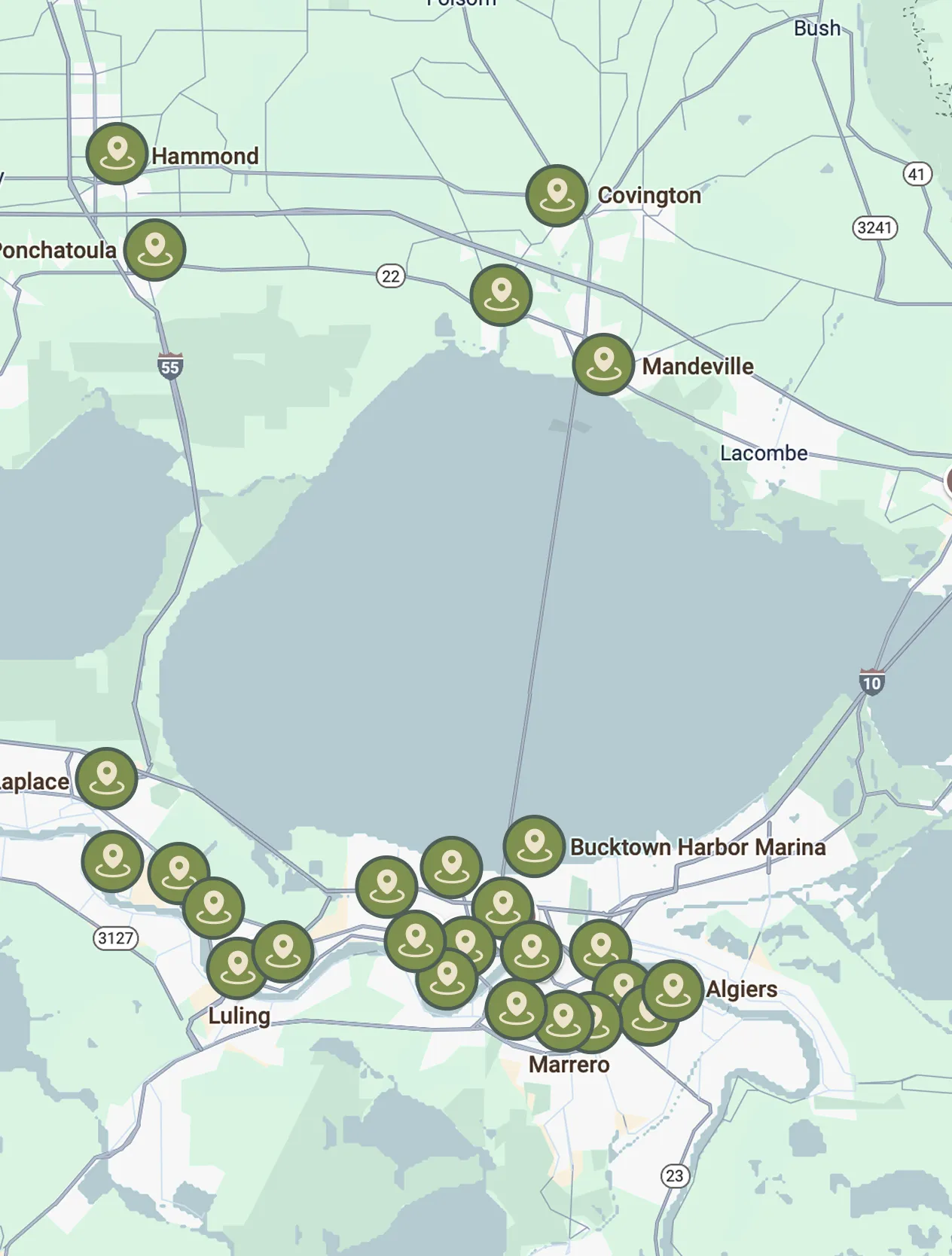
Service areas
Our service areas are designed to meet the diverse needs of our clients. We focus on providing exceptional service and ensuring customer satisfaction in every location we operate.